
Study Habits That Shape Student Success in 2026
In today’s fast-changing academic world,50 Powerful Study Habits for Students in 2026 success is no longer about studying harder—it’s about studying smarter. Students in 2026 face a completely different learning environment than previous generations. Smartphones, social media, AI tools, online classes, and endless digital distractions have changed how students learn, focus, and manage their time. Because of this, building strong study habits has become more important than ever before.
Good study habits do much more than improve grades. They help students develop discipline, confidence, time management, and the ability to stay focused under pressure. A student with smart habits often performs better than a student with natural talent but poor discipline. That is because habits create consistency, and consistency leads to progress over time.
Modern students also deal with busy schedules, academic pressure, and constant notifications. Many learners feel overwhelmed not because they are incapable, but because they do not have a clear system for studying. When students follow healthy routines, learning becomes more organized, less stressful, and far more effective. Even simple habits like planning the day, avoiding distractions, and reviewing notes regularly can create a big difference.
Research consistently shows that students who follow structured study routines perform better, retain information longer, and feel less stressed during exams. Strong habits improve concentration, reduce procrastination, and help students stay motivated throughout the school year. They also make it easier to prepare for tests without last-minute panic.
The difference between average and high-achieving students is often not intelligence—it is consistency and habits. Students who show up daily, stay organized, and keep improving small actions usually see the biggest long-term results. Success is rarely built in one night of hard work. It is built through repeated smart actions.
When learning becomes a system instead of a struggle, results naturally improve. In 2026, students who create powerful study habits will have a major advantage in academics, career growth, and personal development. Strong habits today can shape a successful future tomorrow.
Why Study Habits Matter More Than Talent
Many students believe success depends on natural ability, but that is not true in modern education. What really matters is how students manage their time, focus, and learning strategies. Strong study habits create a stable routine where learning becomes automatic instead of stressful. In 2026, where distractions are everywhere, having the right system is the real advantage.
H2: The Foundation of Effective Study Habits

1. Set Clear and Specific Study Goals
One of the most effective study habits students can build is setting clear and specific goals before every study session. Many students waste time because they start studying without knowing exactly what they want to complete. When goals are unclear, focus becomes weak and progress feels slow. That is why successful learners break big tasks into smaller, realistic targets that can be completed step by step.
For example, instead of saying I will study science today a smarter goal would be, “I will solve 10 physics questions,” or “I will review chapter three and write key notes.” Specific goals help students stay organized and make study sessions more productive. They also reduce stress because students know exactly what needs to be done.
Clear goals improve motivation because every completed task feels like progress. This creates momentum and builds confidence over time. Students who use goal setting often feel more in control of their academic life. It also becomes easier to manage time when each session has a purpose.
In 2026, where distractions are common, goal setting is more important than ever. Students who begin each day with a plan usually perform better than those who study randomly. Even small daily goals can create powerful long-term results.
2. Remove Study Distractions Completely
Distractions are one of the biggest reasons students struggle to learn effectively. Even a short interruption from a phone notification or social media message can break concentration and waste valuable study time. Many students believe they can multitask, but in reality, switching attention again and again lowers productivity and makes learning slower.
Creating a distraction-free study environment can significantly improve focus and memory retention. Start by placing your phone in another room or turning on silent mode. Close unnecessary browser tabs, switch off TV noise, and let family members know that you need quiet time. These simple actions create space for deep learning.
Digital distractions are especially powerful in 2026 because students are surrounded by screens all day. Social media apps are designed to keep attention for long periods, making it harder to return to study mode. That is why successful students create boundaries during study hours.
Removing distractions does not mean creating a perfect environment. It means reducing anything that pulls attention away from the task. When students protect their focus, they learn faster, remember more, and finish work in less time.
3. Choose the Right Study Environment
The place where you study has a strong effect on your concentration, mood, and learning performance. Some students study best in complete silence, while others focus better with light background sound. There is no single perfect location for everyone. The best study environment is the one where you feel calm, alert, and productive.
Many students prefer libraries because they offer quiet spaces and fewer distractions. Others feel comfortable studying at home in a clean room with good lighting. Some students even enjoy cafés or study halls where there is soft background noise. The key is to test different places and discover where your mind works best.
A strong study environment should include a comfortable chair, enough light, fresh air, and a clean desk. Keeping books, notes, and supplies nearby also saves time and helps maintain focus. Small details like posture and room temperature can also affect productivity.
Using the same study place regularly can train the brain to enter focus mode faster. Over time, your mind begins to associate that environment with learning. This creates consistency and makes studying feel easier. In 2026, students who design better environments often gain a real advantage in academic success.
H2: Time Management Study Habits
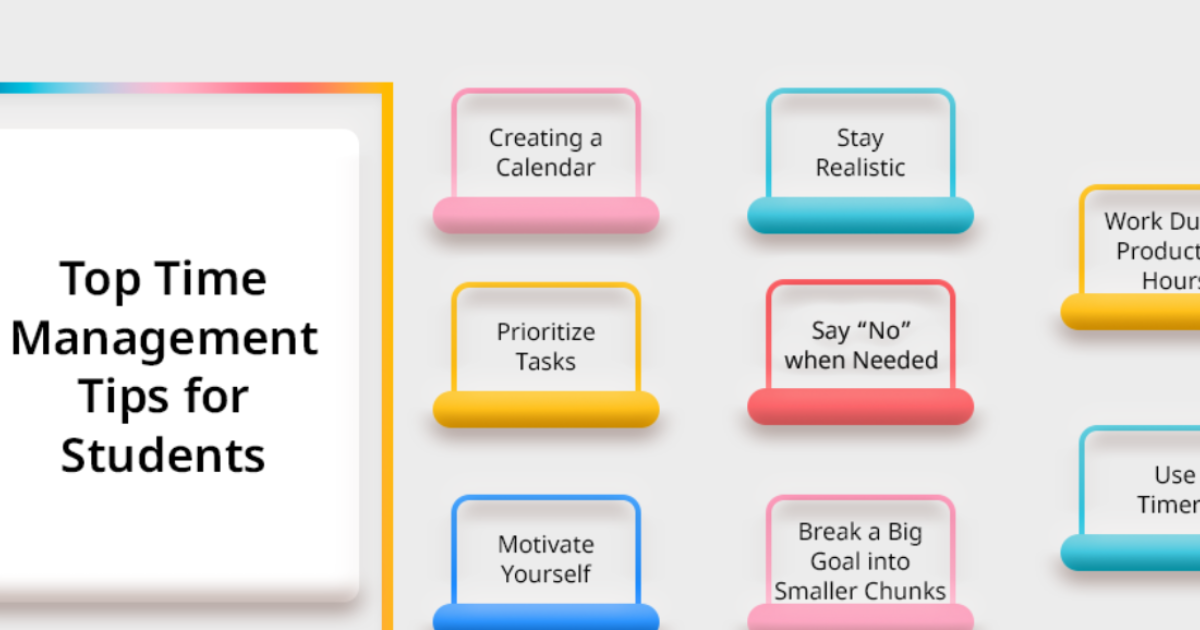
Follow a Fixed Study Schedule
Students who study at random times often struggle with consistency. A fixed schedule trains the brain to focus at specific times daily. This builds discipline and reduces procrastination.
Use Short Study Sessions Spaced Learning
Instead of long exhausting study hours, breaking study time into short sessions improves retention. The brain learns better when information is repeated over time instead of crammed in one sitting.
Balance Study and Break Time
Effective students always take breaks between study sessions. Short breaks improve focus, refresh the mind, and prevent burnout.
H2: Focus and Concentration Habits
Practice Deep Focus Sessions
Deep focus means studying without any interruption for a set time. Even 30–90 minutes of deep focus can be more powerful than 3 hours of distracted studying.
Use the “One Task at a Time” Rule
Multitasking reduces learning quality. Successful students focus on one subject or topic at a time to improve understanding and memory.
Build a Pre-Study Routine
A simple routine like cleaning your desk, opening notes, and turning off your phone signals the brain that it’s time to study. This improves mental readiness.
H2: Learning Improvement Habits
Take Notes in Your Own Words
Writing notes in your own language improves understanding. It forces the brain to process information instead of copying blindly.
Use Active Recall Method
Instead of reading repeatedly, students should test themselves. Asking questions from memory strengthens long-term retention.
Practice Regular Revision
Revision is the key to memory. Without revision, even strong learning fades over time.
H2: Smart Digital Study Habits 2026 Edition

Use AI Tools Wisely
AI can help explain concepts and generate practice questions, but it should not replace learning. Smart students use AI as a tutor, not a shortcut.
Block Distracting Apps During Study Time
Using app blockers reduces temptation and increases productivity during study sessions.
Learn Through Online Resources
Students now have access to videos, articles, and interactive tools that make learning easier and more engaging.
Memory and Retention Habits
Use Visual Learning Techniques
Charts, diagrams, and mind maps help the brain understand complex topics faster.
Teach What You Learn
Explaining topics to others improves understanding and highlights weak areas in knowledge.
Connect New Knowledge With Old Concepts
Linking new information with what you already know makes learning stronger and easier to remember.
H2: Health and Lifestyle Study Habits
Get Proper Sleep Daily
Sleep improves memory, focus, and problem-solving skills. Poor sleep reduces learning ability.
Stay Physically Active
Even 15–20 minutes of exercise improves brain function and reduces stress.
Eat Brain-Healthy Food
Healthy food supports concentration and energy levels during study sessions.
H2: Motivation and Discipline Habits
Track Your Daily Study Progress
Tracking study time helps students understand how productive they are.
Reward Yourself After Goals
Small rewards increase motivation and make studying more enjoyable.
Stay Consistent Even on Low-Motivation Days
Consistency is more powerful than motivation. Successful students show up even when they don’t feel like studying.
H2: Social and Support Habits
Study With a Group Sometimes
Group study helps students understand different perspectives and solve problems faster.
Ask Questions Without Fear
Asking questions improves clarity and prevents confusion in learning.
Surround Yourself With Focused People
Your environment influences your habits. Being around serious students improves your own discipline.
FAQs
Q1: What are the best study habits for students in 2026?
The best study habits include setting clear goals, following a study schedule, using active recall, revising regularly, avoiding distractions, and staying consistent. These habits help students improve focus and academic performance.
Q2: How can students study smarter instead of harder?
Students can study smarter by using effective techniques like spaced repetition, short focused sessions, note-taking in their own words, and using AI tools for learning support.
Q3: How many hours should a student study daily?
There is no fixed number for everyone, but 2 to 4 focused hours daily can be highly effective depending on academic level, goals, and workload.
Q4: How can I stop getting distracted while studying?
Keep your phone away, turn off notifications, choose a quiet place, and study in short focused blocks with regular breaks.
Q5: Are digital tools helpful for studying in 2026?
Yes, digital tools like flashcard apps, productivity timers, AI tutors, and online courses can improve learning when used correctly.
Q6: Why are study habits important for success?
Study habits create discipline, improve memory, reduce stress, and help students perform better in exams and long-term learning.
Q7: How long does it take to build strong study habits?
Most students start seeing progress within a few weeks, but consistency over time is the key to making habits automatic and lasting.
Conclusion
Your Study Habits Decide Your Future
In 2026, academic success is not about studying more—it’s about studying better. Students who build strong study habits will always outperform those who rely on last-minute

Hi, I’m Sani Baloch — an SEO specialist and content writer focused on helping websites rank higher, attract more visitors, and grow with clean, effective digital strategies.