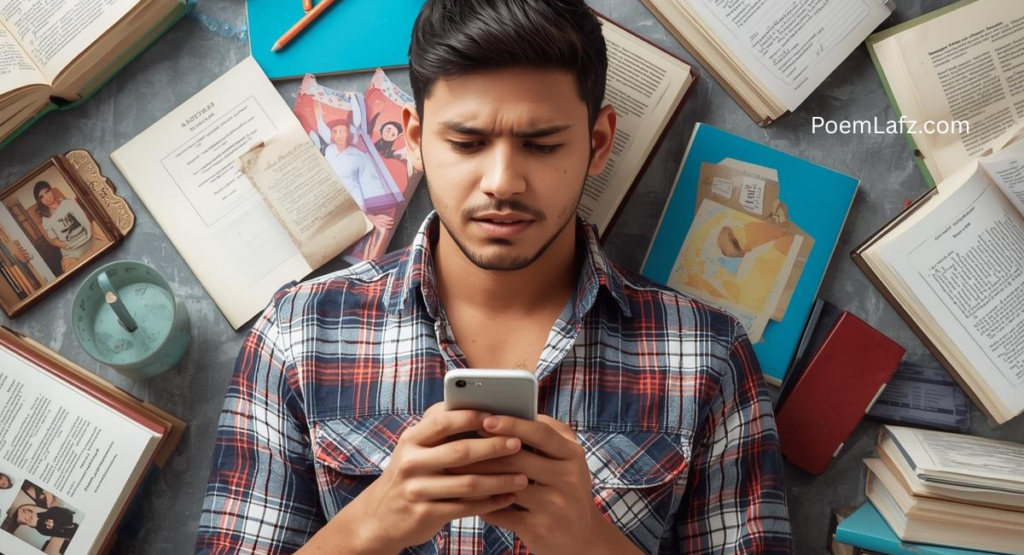
Social media has become a daily habit for almost every student, and most of the time it feels harmless. You open your phone for a quick check, but that “quick check” slowly turns into endless scrolling without even realizing it. The problem is not just time loss, but the way it quietly steals focus, energy, and motivation that students need for studies and personal growth. Many students don’t even notice how deeply they are stuck in this cycle until their grades or productivity start dropping.
This guide on How to Stop Using Social Media Too Much as a Student is designed to help you understand this habit in a simple and realistic way. Instead of forcing you to quit completely, it will show you how to build control, reduce distraction, and create balance in your daily life. You will learn practical steps that actually work in real student life, not unrealistic advice that is hard to follow.
Why Social Media Becomes So Addictive for Students
Social media is not just an app, it is designed to keep your attention for as long as possible. Every scroll brings new content, every notification creates curiosity, and every like gives a small dopamine reward. This constant loop makes your brain want “just one more minute,” which usually turns into hours. Students especially fall into this pattern because their brain is already stressed from studies and naturally looks for easy escape.
Another reason is emotional comfort. When students feel tired, stressed, or bored, social media becomes a quick escape from pressure. It feels relaxing at first, but slowly it becomes a habit that replaces real productivity. Over time, this habit weakens discipline and creates a cycle where studying feels harder and scrolling feels easier.
How Social Media Slowly Affects Student Life

The impact of social media is not always visible at first. It starts with small distractions like checking notifications during study time or scrolling before sleeping. But gradually, these small habits start affecting concentration, memory, and academic performance. Students often find it harder to focus on long tasks because their brain gets used to fast and short content.
Another hidden effect is emotional comparison. Students constantly see highlight reels of other people’s lives, which can create pressure, stress, and self-doubt. This leads to reduced confidence and lower motivation in studies. Even sleep gets affected because late-night scrolling disrupts natural rest cycles, making students tired and unfocused the next day.
How to Stop Using Social Media Too Much as a Student
The first step in How to Stop Using Social Media Too Much as a Student is understanding your usage honestly. Most students underestimate how much time they actually spend on apps. Start noticing when and why you open social media. Once you become aware of your triggers, you can slowly begin to control them instead of reacting automatically. Awareness is the foundation of change.
The next step is creating simple boundaries instead of extreme rules. For example, avoid using your phone during study sessions and keep it away from your desk. This reduces temptation and helps your brain enter focus mode more easily. Small changes like this build discipline over time and make studying feel smoother and less distracting.
Replacing social media with real activities is another powerful step. Instead of scrolling during free time, try walking, reading, exercising, or learning a skill. At first, it may feel difficult because your brain is used to instant entertainment, but slowly it adjusts. These activities not only reduce screen time but also improve mental clarity and productivity.
Building Strong Daily Habits to Reduce Screen Time

Daily habits play a very important role in controlling social media usage. One of the most effective habits is avoiding phone use immediately after waking up. Morning scrolling puts your brain in distraction mode before the day even starts. Instead, start your day with a simple routine like planning or stretching, which helps you stay focused.
Another strong habit is setting fixed social media time instead of random usage. When you allow yourself to use it at a specific time, your brain learns structure. This reduces impulsive checking throughout the day. Over time, this habit naturally reduces dependency and helps you stay more in control of your attention.
How Social Media Affects Study Performance and Focus
One of the biggest problems students face is reduced concentration. Social media trains the brain to switch attention quickly, which makes it harder to focus on long study sessions. Even when students sit to study, their mind keeps thinking about notifications or new content. This leads to slower learning and more procrastination.
It also affects memory retention. When your mind is constantly distracted, it becomes difficult to absorb information deeply. This is why many students study for hours but still feel unproductive. Reducing social media usage helps improve focus, memory, and overall academic performance in a natural way.
Health and Mental Benefits of Reducing Social Media
When students reduce social media usage, they often experience better mental clarity. The constant pressure of comparison and online noise starts to disappear, which creates a calmer mind. Stress levels decrease, and students feel more in control of their emotions and time.
Sleep quality also improves significantly. Without late-night scrolling, the brain gets proper rest, which increases energy and focus during the day. Over time, students notice better mood, stronger motivation, and improved productivity in both studies and daily life.
Staying Connected Without Overusing Social Media

Reducing social media does not mean cutting yourself off from friends or the world. It simply means using it in a more controlled and intentional way. You can still stay connected by checking messages at specific times instead of constantly opening apps. This helps you stay updated without losing focus.
Real-life communication becomes even more important in this balance. Spending time with friends, family, or classmates in person creates stronger and healthier relationships. These real connections are far more meaningful than endless online scrolling and help reduce dependency on digital validation.
How Social Media Breaks Your Focus Without You Noticing
When students use social media during study breaks, it often feels harmless, but the real damage happens slowly. Your brain gets trained to expect quick entertainment instead of deep focus. This is why even after closing your phone, your mind keeps thinking about notifications, videos, or messages. Over time, this weakens your attention span and makes long study sessions feel harder than they actually are.
Another hidden problem is mental switching. Every time you move from studying to scrolling and back again, your brain loses energy. This constant switching reduces productivity and increases fatigue. You may feel like you are studying for hours, but in reality, your focus is divided, which leads to poor retention and lower performance in exams.
Why Students Struggle to Control Social Media Habits
Most students don’t struggle because they are lazy, but because social media is designed to be addictive. Every app uses smart features like infinite scrolling, autopay videos, and constant notifications to keep you engaged. These features make it extremely hard to stop once you start, even when you know you should be studying.
Another reason is emotional dependency. Many students use social media as a way to escape stress, boredom, or academic pressure. Instead of dealing with tasks, they open apps for temporary comfort. This creates a habit loop where the brain automatically chooses scrolling over studying, making self-control more difficult over time.
Simple Lifestyle Changes That Reduce Social Media Addiction
Small lifestyle changes can make a huge difference in controlling social media use. One effective change is creating “no phone zones” during study time or meals. When your phone is not physically near you, the temptation automatically decreases, and your focus becomes stronger without extra effort.
Another helpful change is improving your daily routine. When your day is structured with study time, exercise, and rest, your brain feels more balanced. A balanced routine naturally reduces the urge to escape into social media because your mind already feels engaged and productive throughout the day.
How Students Can Build a Healthier Digital Balance
Building a healthy digital balance is not about completely removing social media but using it with intention. Students can start by deciding specific times for usage instead of checking apps randomly. This simple control helps reduce distraction and improves awareness of how much time is being spent online.
It is also important to replace scrolling with meaningful offline activities. Spending time with friends, reading, or learning new skills gives real satisfaction that social media cannot provide. Over time, students realize that real-life experiences feel more valuable and rewarding than constant digital stimulation.
FAQs
How can students reduce social media usage without quitting completely?
Students can reduce social media usage by creating simple daily limits instead of deleting everything at once. Setting fixed times for checking apps, turning off notifications, and avoiding phone use during study sessions can slowly build better self-control. Small consistent changes usually work better than extreme restrictions.
Why is social media so distracting for students?
Social media is designed to keep attention through endless scrolling, short videos, and instant notifications. These features give quick dopamine rewards that make the brain want more stimulation. As a result, students often struggle to stay focused on long study sessions or important academic tasks.
Does reducing social media really improve study performance?
Yes, reducing screen time can improve concentration, memory, and productivity. When students spend less time switching between apps and studying, their brain stays more focused for longer periods. This helps them complete assignments faster and understand subjects more deeply.
What are the best ways to avoid social media while studying?
One of the best methods is keeping your phone away from your study space or turning on focus mode during study hours. Many students also use study timers, app blockers, or digital detox routines to avoid distractions. Creating a quiet environment makes it easier to stay focused and productive.
Can social media affect mental health in students?
Excessive social media use can increase stress, anxiety, and unhealthy comparison, especially when students spend hours online every day. Constant exposure to unrealistic lifestyles and online pressure may lower confidence and motivation. Taking breaks and building healthy digital habits can improve mental well-being significantly.
How much social media time is healthy for students?
There is no perfect number for everyone, but balance is important. Students should use social media in a way that does not affect sleep, studies, relationships, or mental health. Using apps with purpose instead of endless scrolling helps maintain a healthier digital lifestyle.
What activities can replace social media for students?
Students can replace social media with activities like reading, exercising, sports, journaling, meditation, or spending time with friends and family. Learning a new skill or hobby also helps reduce boredom and gives the brain healthier forms of satisfaction and motivation.
Conclusion
Learning How to Stop Using Social Media Too Much as a Student is not about quitting technology completely. It is about building discipline, awareness, and balance in your daily life. Social media itself is not the problem, but uncontrolled usage is what affects studies, mental health, and productivity.
When you start setting boundaries, replacing habits, and focusing on real-life activities, you slowly regain control of your time. Small steps taken consistently can completely change your academic performance and lifestyle. In the end, success comes from balance — using social media as a tool, not letting it control your life.

Hi, I’m Sani Baloch — an SEO specialist and content writer focused on helping websites rank higher, attract more visitors, and grow with clean, effective digital strategies.