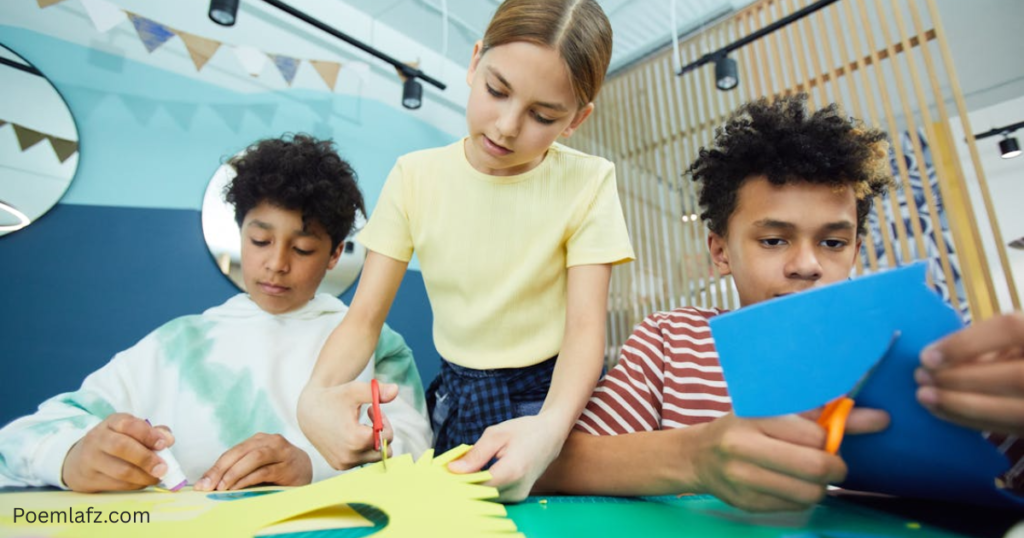
Beyond Grades: How Students Can Build Confidence, Creativity, and Communication Skills For many years, students were taught to believe that grades were the only measure of success. Report cards, exam scores, and class rankings became the center of academic life. While strong grades still matter, the modern world now demands much more than memorizing facts and passing tests. Today, students also need confidence, adaptability, creativity, and the ability to communicate clearly in different situations.
A student may achieve excellent marks yet still struggle to speak in public, solve real-life problems, or work effectively with others. That is why education is slowly changing around the world. Schools, parents, and educators are beginning to understand that holistic education is just as important as academic achievement. True success is not only about what students know, but also how they think, express themselves, and handle challenges in everyday life.
The good news is that students can develop these abilities over time. Skills like communication skills, creative thinking, and critical thinking are not talents reserved for a lucky few. They are abilities that grow through practice, experience, and the right learning environment. When students focus on both academic growth and personal development, they prepare themselves not only for exams but also for long-term future success.
Why Confidence Matters More Than Perfect Grades
Beyond Grades: How Students Can Build Confidence, Creativity, and Communication Skills Many students remain quiet in classrooms even when they understand the topic well. They fear making mistakes, speaking incorrectly, or being judged by others. Over time, this fear slowly damages student confidence and prevents them from expressing their ideas openly. A student who lacks confidence may avoid opportunities that could help them grow personally and professionally.
Confidence plays a major role in both education and life. Students with confidence are more willing to participate in discussions, ask questions, and explore new opportunities. They become better at handling interviews, presentations, and teamwork situations. In many cases, confidence becomes the bridge between knowledge and success because knowledge alone is not always enough.
Building confidence starts with small actions. Speaking during class discussions, sharing opinions in group activities, and trying new experiences can gradually strengthen self-belief. Even making mistakes helps students grow because learning often happens through discomfort. Over time, these experiences improve personal growth, resilience, and emotional strength.
The Role of Creativity in Modern Education
Creativity is no longer limited to art, music, or writing. In today’s fast-changing world, creativity helps students solve problems, generate ideas, and think differently. Employers and universities increasingly value students who can approach situations with innovation and flexibility rather than simply memorizing textbook answers.
Students develop creative thinking when they are encouraged to explore ideas freely. Activities like storytelling, designing projects, creating presentations, or solving open-ended challenges help the brain form stronger neural connections. Creativity also improves curiosity because students begin viewing learning as something exciting rather than something forced upon them.
Unfortunately, many traditional learning systems focus heavily on memorization instead of imagination. This can make students afraid to think independently. Encouraging creativity gives learners the freedom to experiment, fail, and improve without constant fear of judgment. In many ways, creativity becomes one of the most valuable transferable skills for long-term career growth.
Communication Skills Open Doors Everywhere
Strong communication skills are essential in nearly every part of life. Whether students want to succeed in academics, business, leadership, or relationships, the ability to express thoughts clearly can create powerful opportunities. Students who communicate confidently often stand out during interviews, presentations, and collaborative projects.
Communication is more than simply speaking fluently. It also includes listening carefully, understanding others, and sharing ideas respectfully. Students who improve these abilities often build stronger friendships and perform better in team environments. Good communication also supports collaborative learning because students feel comfortable exchanging ideas and solving problems together.
One of the best ways to improve communication is through regular practice. Group discussions, debates, storytelling, and presentations help students organize thoughts more effectively. Reading books, journaling, and participating in activities can also strengthen vocabulary and self-expression. Over time, these habits improve professional communication and prepare students for real-world situations.
Why Emotional Intelligence Is a Powerful Life Skill
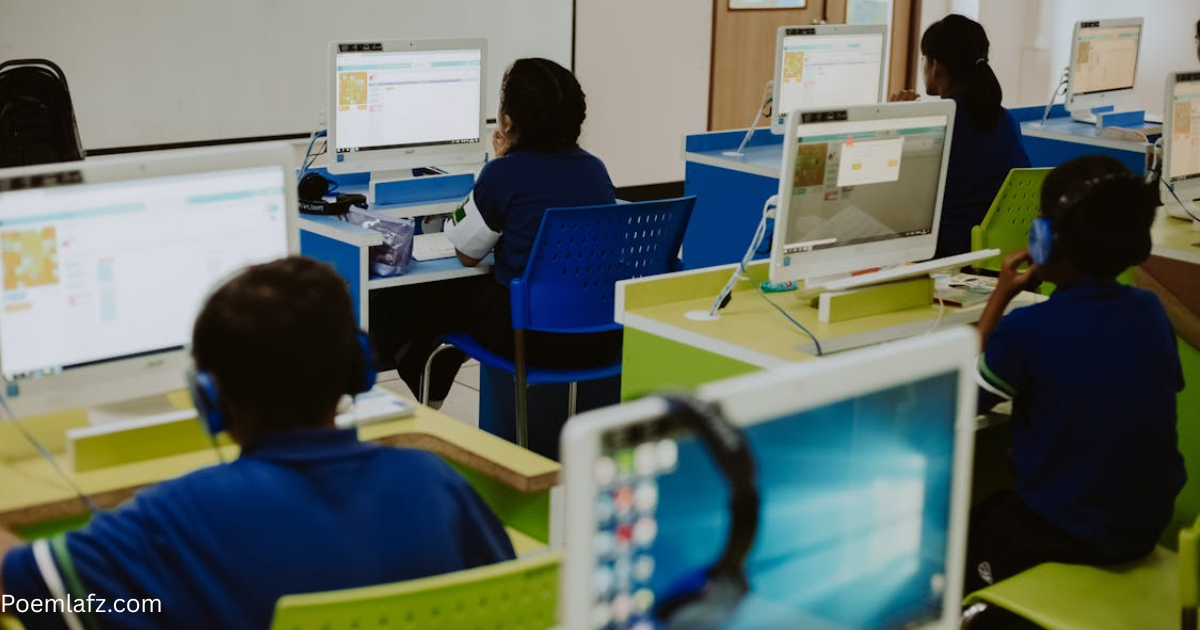
Academic knowledge is important, but understanding emotions is equally valuable. Students experience stress, pressure, competition, and social challenges throughout their educational journey. Without emotional awareness, these experiences can become overwhelming and affect both mental health and performance.
Emotional intelligence helps students recognize their feelings and understand the emotions of others. It improves empathy, patience, and relationship-building skills. Students with emotional awareness usually handle conflicts more calmly and communicate more effectively during difficult situations.
This skill also improves leadership and teamwork abilities. In classrooms and workplaces, emotionally intelligent people often build healthier relationships because they listen carefully and respond thoughtfully. As students develop empathy and self-awareness, they strengthen both their emotional resilience and their ability to navigate social environments successfully.
Self-Directed Learning Creates Independent Thinkers
One of the biggest differences between successful students and struggling students is motivation. Some learners wait to be told exactly what to do, while others actively seek opportunities to learn and improve themselves. This ability is known as self-directed learning, and it has become increasingly valuable in modern education.
Students who practice independent learning develop stronger time management habits and greater responsibility. Instead of depending entirely on teachers, they begin setting personal goals and finding solutions on their own. This independence improves discipline and encourages deeper engagement with learning materials.
Technology has made independent learning easier than ever before. Students can access online courses, educational videos, and digital resources from anywhere in the world. However, self-directed learners do more than consume information. They actively apply knowledge, ask questions, and connect learning to real-life situations. This mindset supports lifelong learning and continuous self-improvement.
Real-World Skills Matter Beyond the Classroom
Good grades may open doors, but real-world skills help students succeed after those doors open. Many graduates enter professional environments without enough experience in teamwork, leadership, adaptability, or communication. This gap often makes career transitions more difficult than expected.
Modern education is slowly shifting toward skill development because employers now value flexibility and practical abilities. Skills like problem-solving skills, teamwork, adaptability, and decision-making are critical in nearly every profession. Students who develop these strengths early often feel more prepared for future responsibilities.
Part-time jobs, volunteering, internships, and extracurricular activities provide excellent opportunities for practical growth. These experiences teach responsibility, accountability, and communication in ways textbooks cannot. Students also begin understanding how classroom knowledge applies to real-life situations, which improves overall career readiness.
The Importance of a Positive Learning Environment
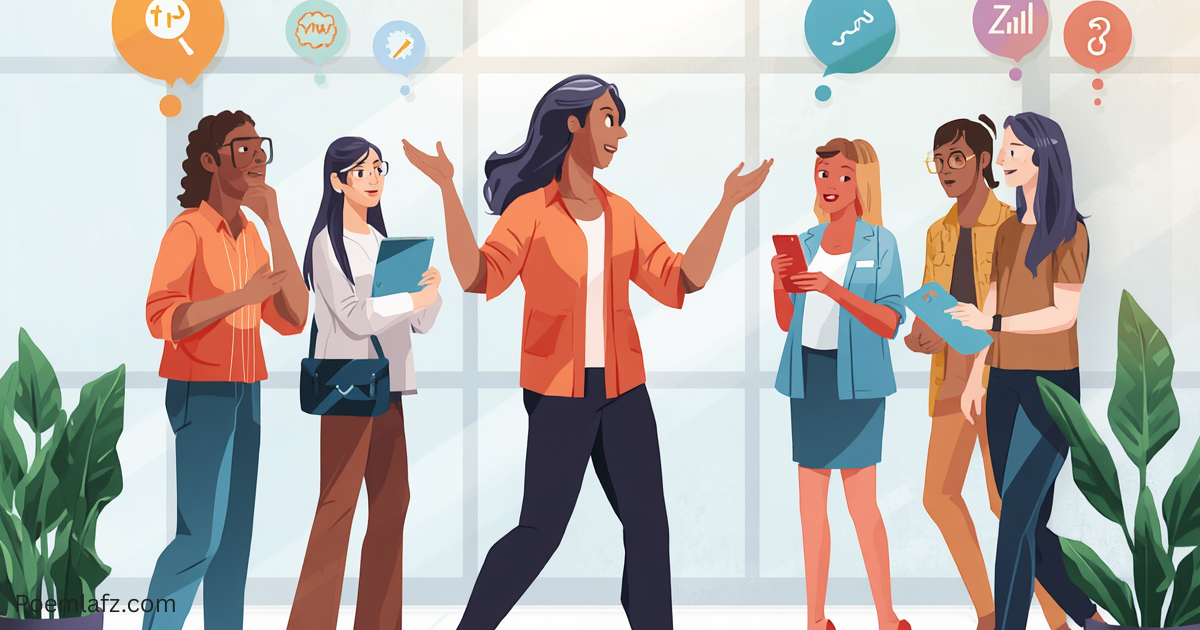
A supportive learning environment can significantly influence how students think, behave, and grow. Students perform better when they feel safe, respected, and encouraged instead of constantly criticized or pressured. Positive environments help learners feel comfortable expressing ideas without fear of embarrassment.
Parents, teachers, and mentors all play important roles in shaping this atmosphere. Encouraging curiosity, celebrating effort, and allowing room for mistakes can improve motivation and engagement. Students often learn more effectively when they feel emotionally supported rather than judged solely by grades.
Healthy learning spaces also encourage critical engagement and open discussion. Instead of focusing only on right or wrong answers, students learn to ask thoughtful questions and explore different perspectives. This approach strengthens critical thinking and develops deeper understanding over time.
Success Today Requires More Than Academic Performance
The world is changing rapidly. New industries, technologies, and career paths appear every year. In this evolving knowledge economy, students need more than strong test scores to succeed. They need adaptability, creativity, emotional awareness, and strong interpersonal abilities.
That is why modern education increasingly focuses on global competencies and broader skill development. Students must learn how to collaborate with different people, adapt to change, and solve unfamiliar problems confidently. These abilities help individuals remain successful even when industries and opportunities continue evolving.
Academic success still matters, but it should no longer be the only goal. Education should help students become curious thinkers, confident communicators, and compassionate individuals capable of making meaningful contributions to society. True success combines knowledge with character, creativity, and emotional strength.
How Curiosity Helps Students Discover Their True Potential
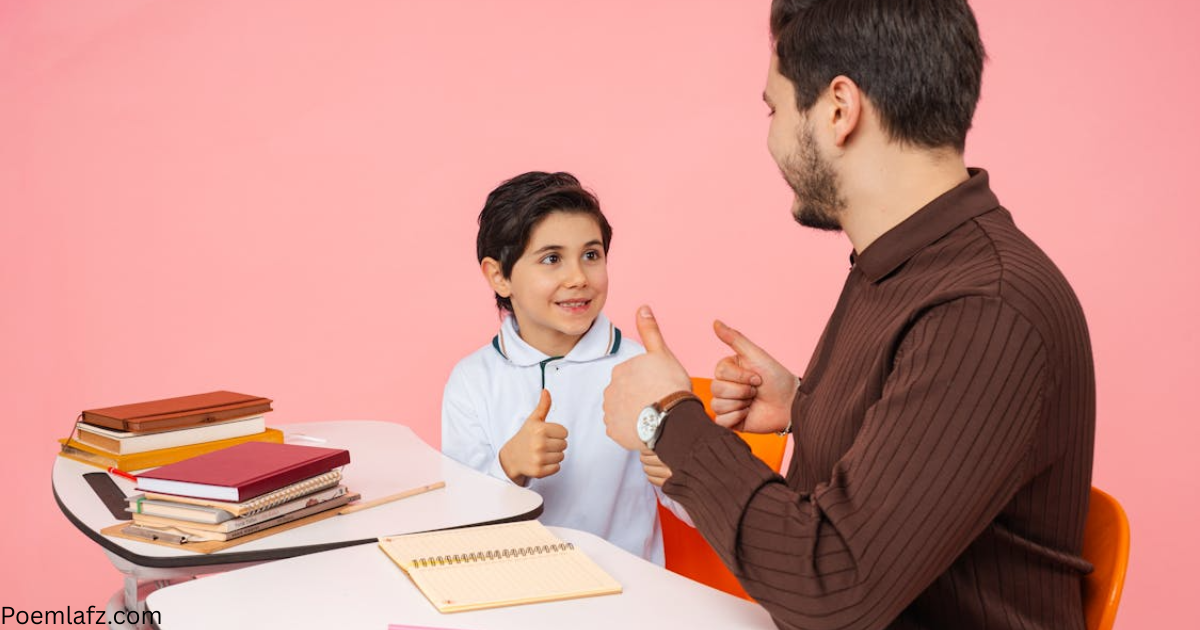
Many students lose interest in learning because education sometimes feels like a daily routine instead of an exciting journey. When students are only focused on marks and deadlines, they often stop asking questions or exploring new ideas. However, curiosity changes everything. It encourages learners to think deeply, explore different perspectives, and enjoy the process of learning itself. This natural desire to discover new things strengthens independent learning and keeps the mind active for longer periods.
Curious students often become stronger problem-solvers because they constantly search for answers and connections. They are more willing to experiment, make mistakes, and learn from experiences. Over time, curiosity also improves adaptability because students become comfortable exploring unfamiliar topics and situations. In many ways, curiosity becomes the starting point for lifelong learning and personal success beyond the classroom.
Why Students Need Resilience in Today’s Fast-Changing World
Life does not always go according to plan. Students face exam pressure, personal struggles, failures, and moments of self-doubt throughout their educational journey. Without resilience, even small setbacks can feel overwhelming. That is why developing resilience and empathy is becoming just as important as achieving high grades. Strong emotional resilience helps students recover from challenges instead of giving up when things become difficult.
Students who build resilience usually become more confident and emotionally balanced over time. They learn that failure is not the end of success but often a valuable lesson for improvement. Supportive teachers, parents, and positive friendships can help learners stay motivated during difficult moments. These experiences also strengthen personal strengths and prepare students to handle future responsibilities with greater maturity and confidence.
The Power of Learning Through Real-Life Experiences
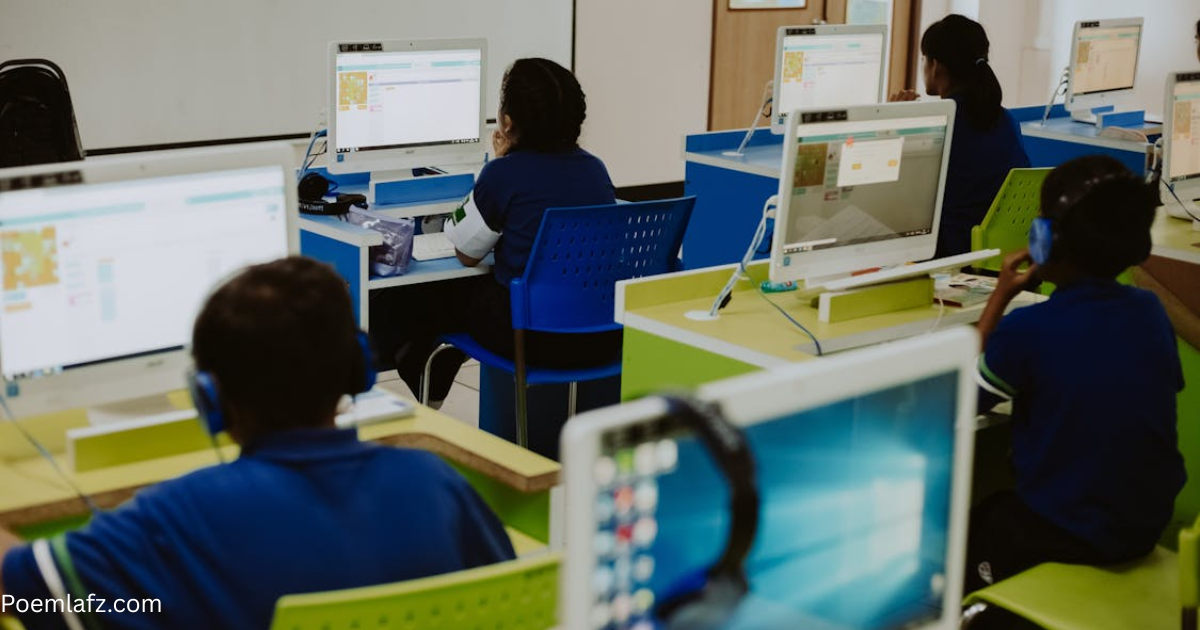
Some of the most valuable lessons do not come from textbooks alone. Students often remember information better when they connect learning to real situations and experiences. Activities like internships, volunteer work, creative projects, and teamwork help students understand how knowledge works outside the classroom. This type of learning improves both understanding and confidence because students can see the practical value of what they study.
Real-life experiences also help students develop stronger problem-solving skills and better decision-making abilities. When learners face real challenges, they begin thinking more independently and creatively. These opportunities strengthen student development and improve readiness for future careers. Instead of memorizing information temporarily, students start building meaningful experiences that stay with them for years.
FAQS
Why are grades not the only measure of success?
Grades show academic performance, but they do not fully measure creativity, confidence, communication, or emotional growth. Students also need real-life abilities to succeed in the modern world.
How can students improve their confidence?
Students can build confidence by speaking in discussions, trying new activities, practicing presentations, and learning from mistakes instead of fearing them.
Why are communication skills important for students?
Strong communication skills help students express ideas clearly, perform better in interviews, build relationships, and succeed in teamwork situations.
What is holistic education?
Holistic education focuses on both academic learning and personal development. It helps students improve creativity, emotional intelligence, critical thinking, and social abilities.
How does creativity help students in real life?
Creative thinking helps students solve problems, adapt to challenges, and develop innovative ideas that are valuable in education and future careers.
What are transferable skills for students?
Transferable skills are abilities students can use in many situations, such as teamwork, leadership, communication, time management, and problem-solving.
Conclusion
Grades will always remain an important part of education, yet they do not tell the full story of a student’s potential. Skills like communication skills, creative thinking, problem-solving skills, and emotional intelligence often shape future opportunities more than report cards alone. Students who develop these abilities become better prepared for both professional and personal success.
The journey toward growth does not happen overnight. Confidence builds slowly through experience, creativity develops through exploration, and communication improves through practice. Every small step matters because learning is not simply about passing exams. It is about becoming capable, resilient, and prepared for life beyond the classroom.
When students focus on both academics and personal development, they create a stronger foundation for long-term achievement. In the end, true success is not just about earning high grades. It is about growing into a confident person who can think clearly, communicate effectively, and adapt to the challenges of the future.

Hi, I’m Sani Baloch — an SEO specialist and content writer focused on helping websites rank higher, attract more visitors, and grow with clean, effective digital strategies.